

Asif
Quản lý phát triển kinh doanh
Đá mài được sử dụng để loại bỏ vật liệu, mài mối hàn và chuẩn bị bề mặt trong gia công kim loại và bảo trì công nghiệp. So với đá cắt, đá mài được thiết kế để chịu được áp lực bên liên tục và tiếp xúc lâu dài với phôi.
Trang này dành cho người mua công nghiệp, nhà phân phối và các xưởng gia công đang lựa chọn đá mài để sử dụng nhiều lần trong sản xuất. Các loại đá mài thông dụng được trình bày dựa trên loại vật liệu, góc mài và cường độ tải, tập trung vào khả năng cắt ổn định, kiểm soát nhiệt và hiệu suất nhất quán giữa các lô sản xuất.
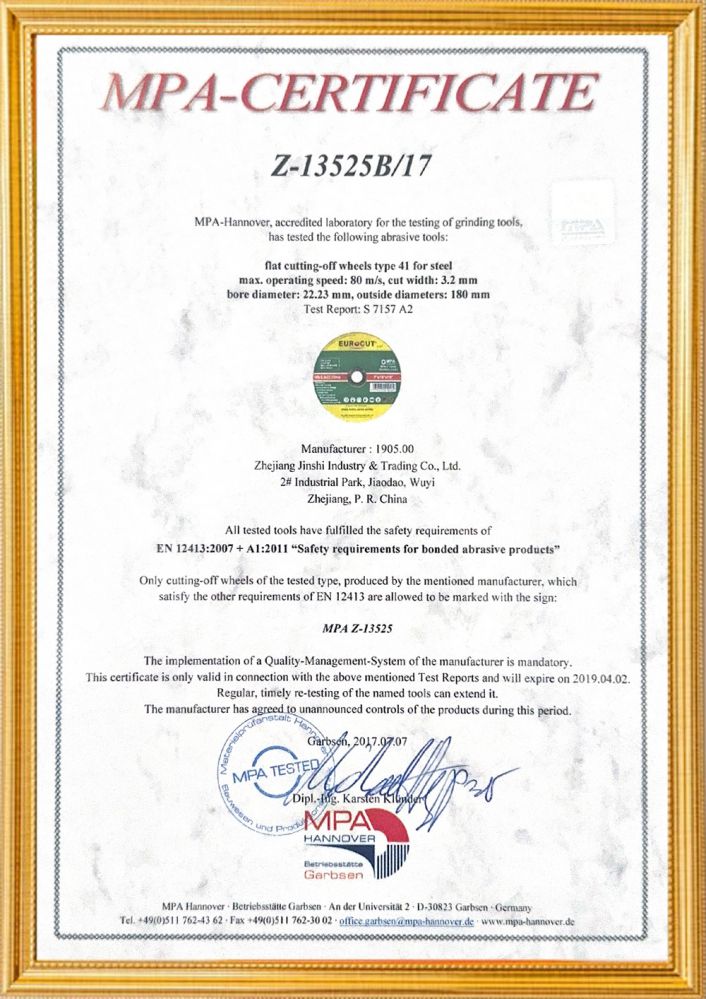
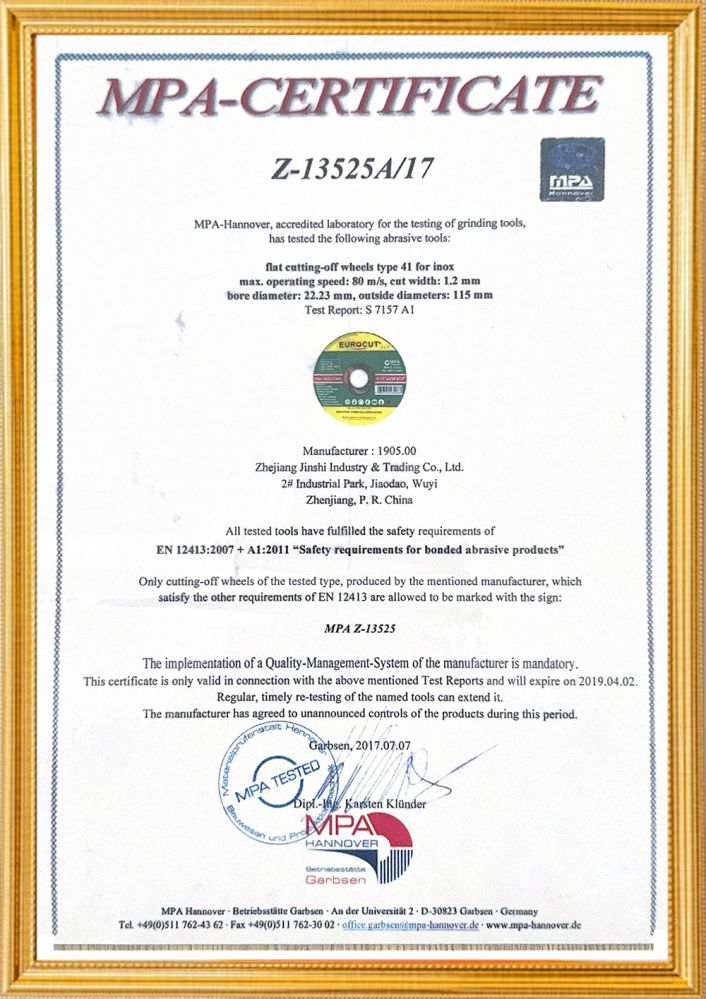
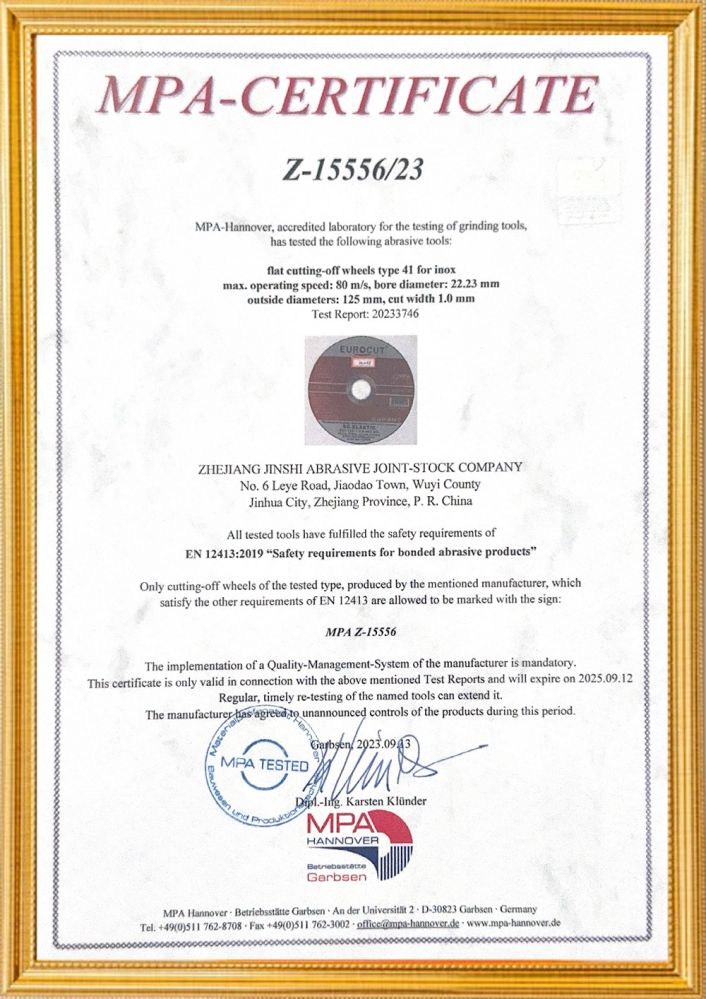
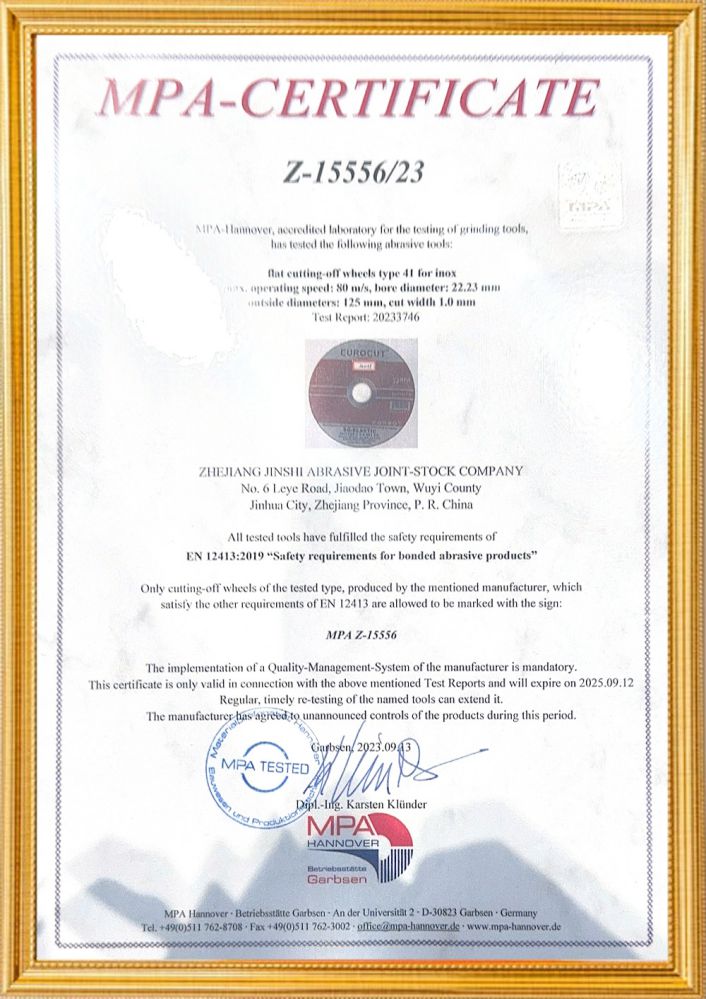
Chúng tôi cung cấp đa dạng các loại đá mài được thiết kế để loại bỏ vật liệu hiệu quả trong nhiều ứng dụng khác nhau. Mỗi loại đá mài đều trải qua quá trình kiểm tra chất lượng nghiêm ngặt và được thiết kế để tương thích với tất cả các máy mài góc tiêu chuẩn, đảm bảo hiệu suất đáng tin cậy và độ bền lâu dài trong môi trường công nghiệp khắc nghiệt. Đá mài của chúng tôi được chứng nhận bởi MPA-Đức, chứng nhận quốc tế cao nhất dành cho các sản phẩm mài mòn, chứng minh thêm cam kết của chúng tôi về an toàn, hiệu suất và chất lượng.
Đá mài là dụng cụ mài mòn liên kết được sử dụng để loại bỏ vật liệu, tạo hình bề mặt và chuẩn bị cạnh. Không giống như đá cắt được thiết kế để cắt thẳng, đá mài được thiết kế để chịu được sự tiếp xúc liên tục, áp lực bên cao hơn và ma sát liên tục.
Trong gia công kim loại và bảo trì công nghiệp, đá mài được sử dụng để chuẩn bị mối hàn, làm sạch bề mặt, loại bỏ bavia, tạo hình cạnh và loại bỏ khuyết tật. Hiệu suất của chúng ảnh hưởng trực tiếp đến hiệu quả mài, độ nhẵn bề mặt, khả năng điều khiển dụng cụ và an toàn cho người vận hành.
Từ góc độ sản xuất, đá mài đòi hỏi độ bền cơ học cao hơn so với đá cắt. Chúng phải duy trì độ bền cấu trúc dưới tải trọng ngang trong khi vẫn đảm bảo khả năng loại bỏ vật liệu một cách có kiểm soát. Điều này làm cho việc lựa chọn chất mài mòn, công thức chất kết dính, thiết kế cốt thép và kiểm soát quá trình đóng rắn trở nên đặc biệt quan trọng.
Trang này giải thích cách chế tạo đá mài, cách các thiết kế khác nhau hoạt động trong điều kiện làm việc thực tế và cách chọn đá mài phù hợp dựa trên ứng dụng và môi trường vận hành.

Đá mài tâm lõm, thường được gọi là loại 27, là loại đá mài được sử dụng rộng rãi nhất cho máy mài góc. Tâm lõm cho phép đá mài được sử dụng ở góc nông, thích hợp cho việc mài bề mặt và loại bỏ mối hàn.
Chúng thường được sử dụng cho:
Mài đường hàn
Chuẩn bị cạnh
San bằng bề mặt
Loại bỏ rỉ sét và sơn
Thiết kế của chúng mang lại sự cân bằng giữa tính dễ tiếp cận và tính ổn định, đặc biệt là trong công tác chế tạo và xây dựng.
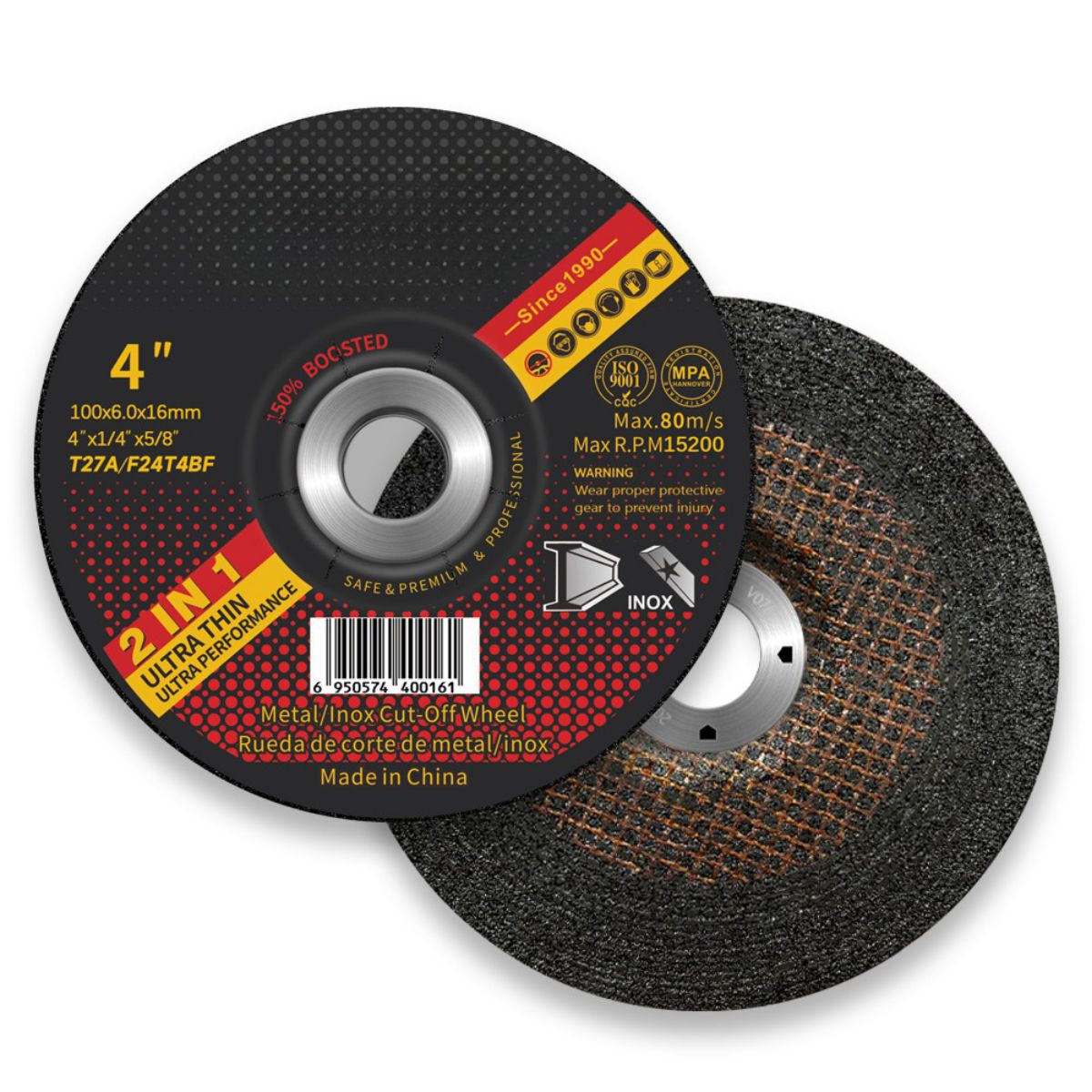
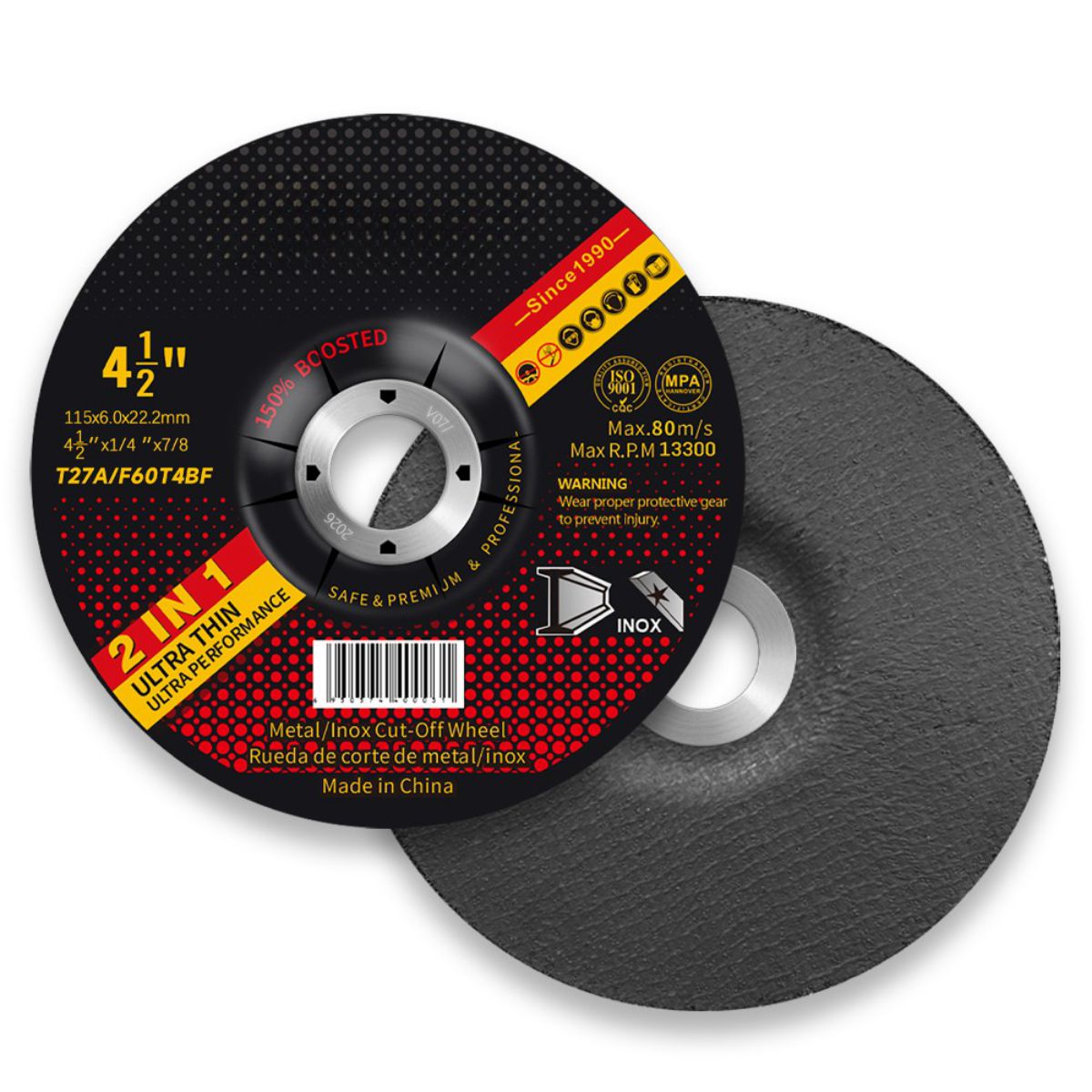
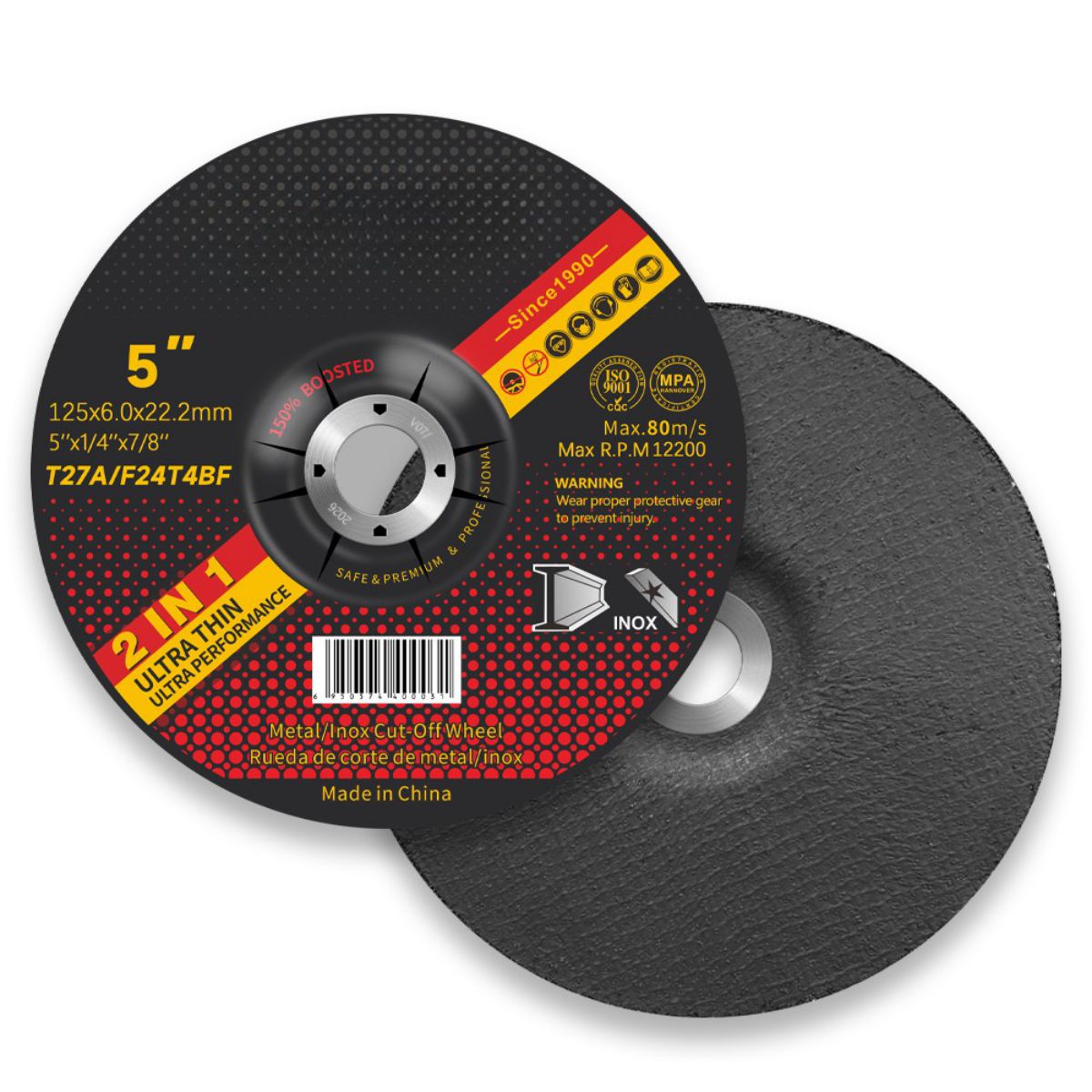
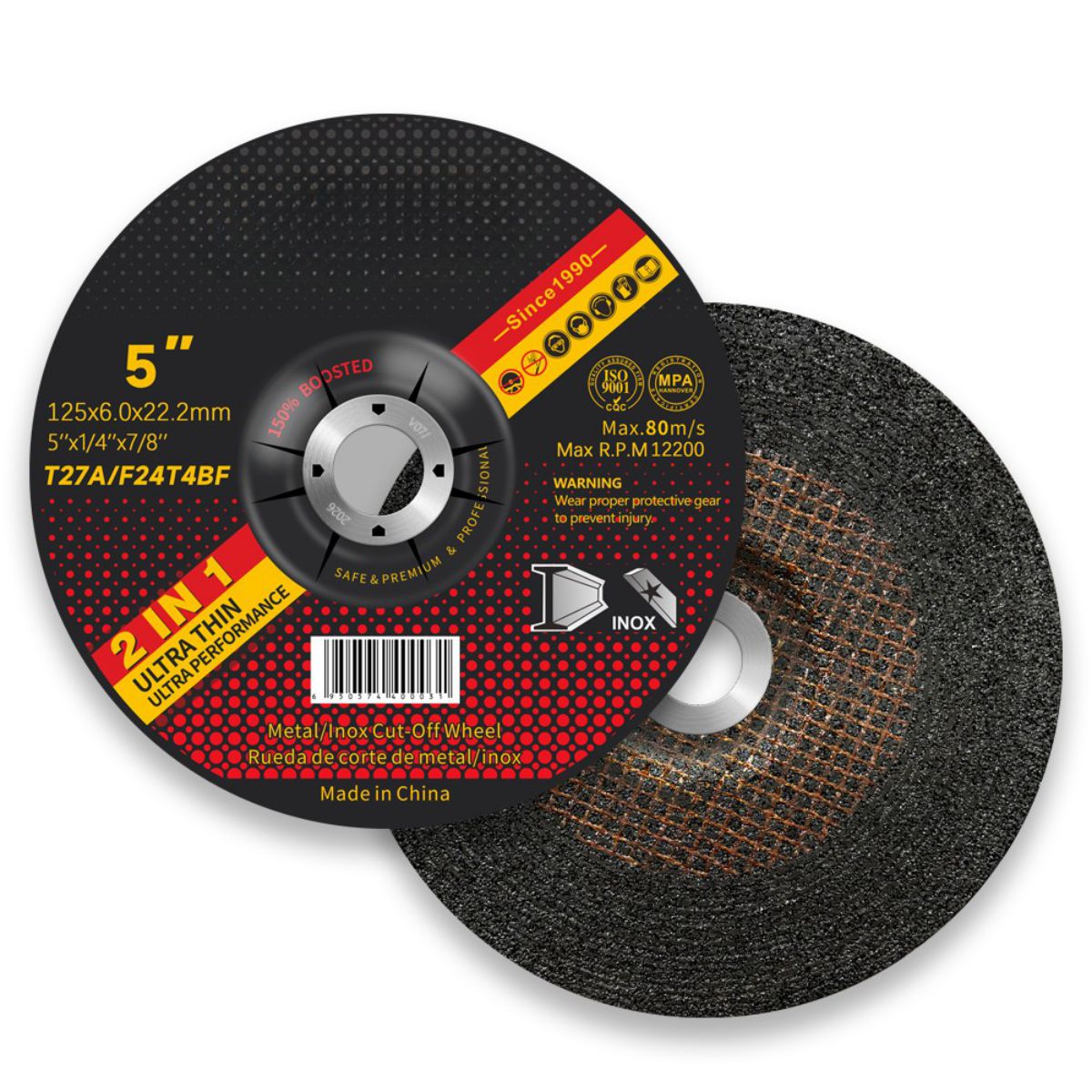
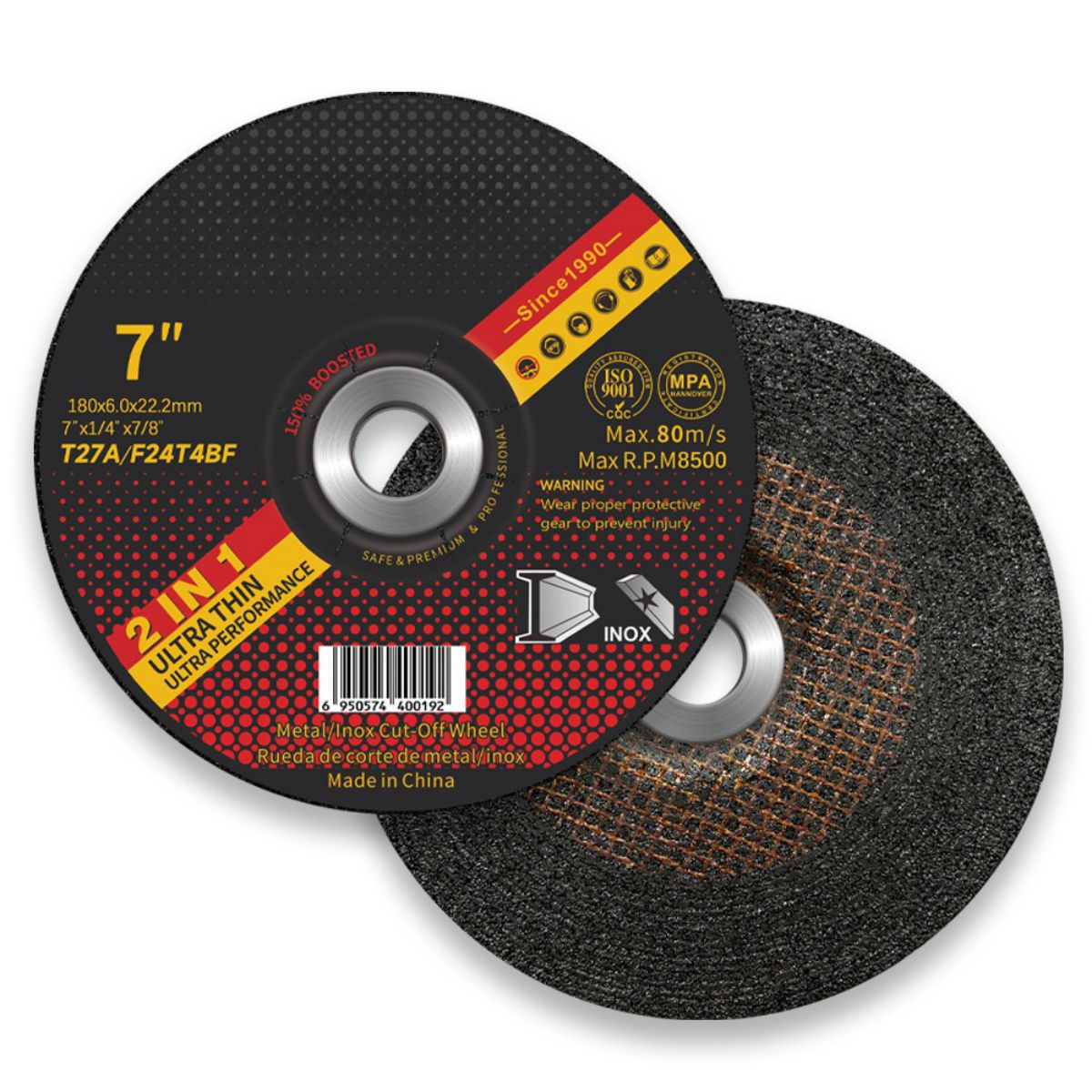
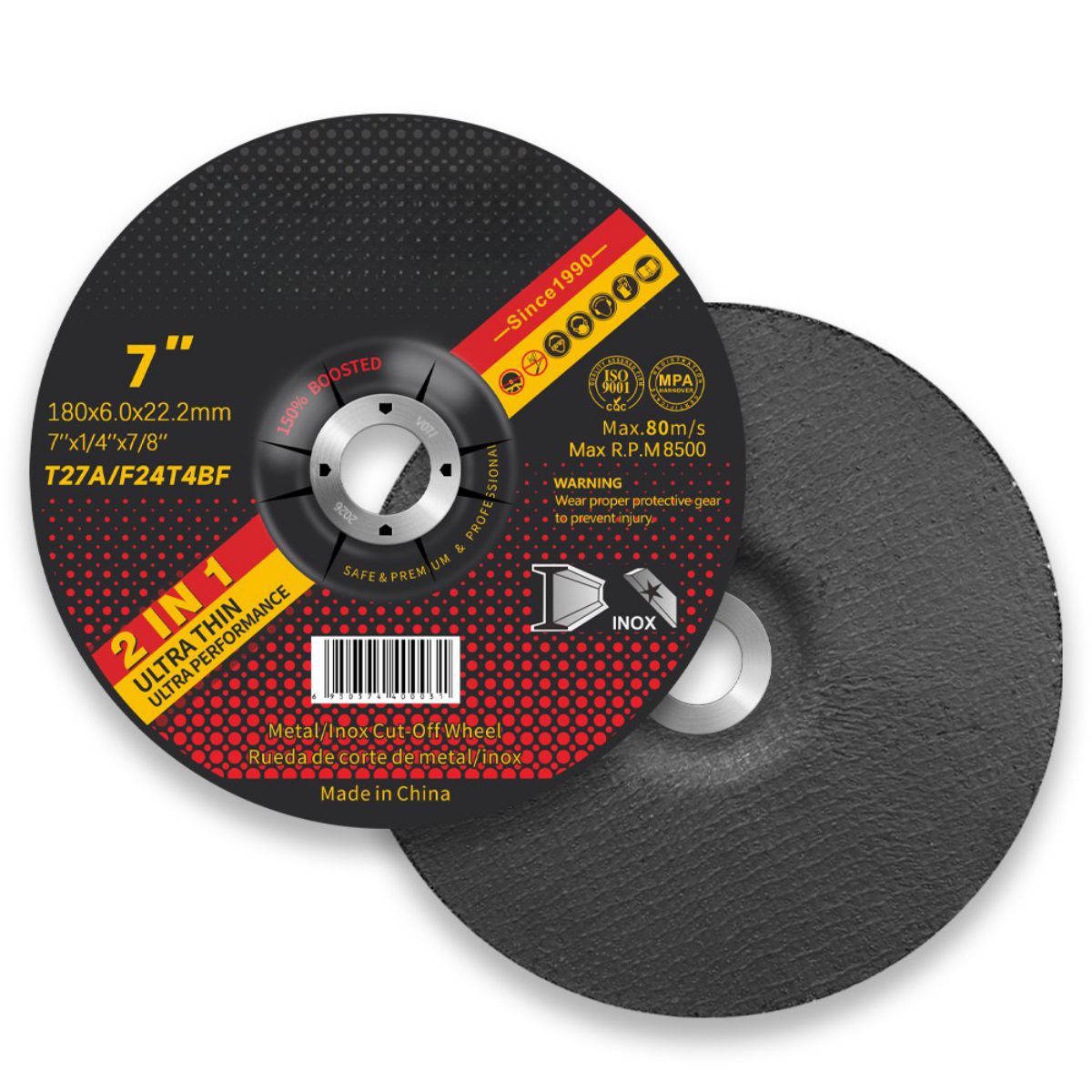
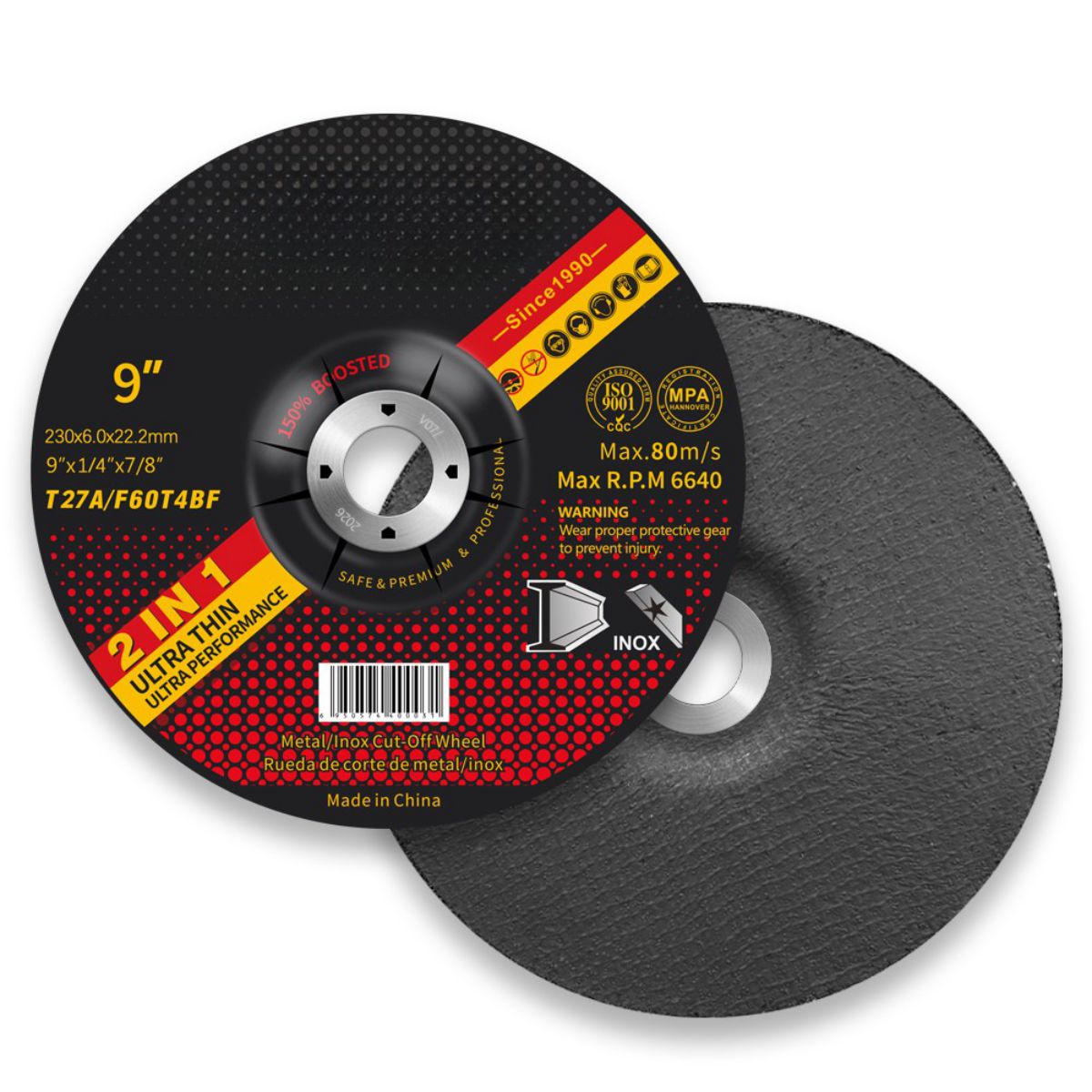
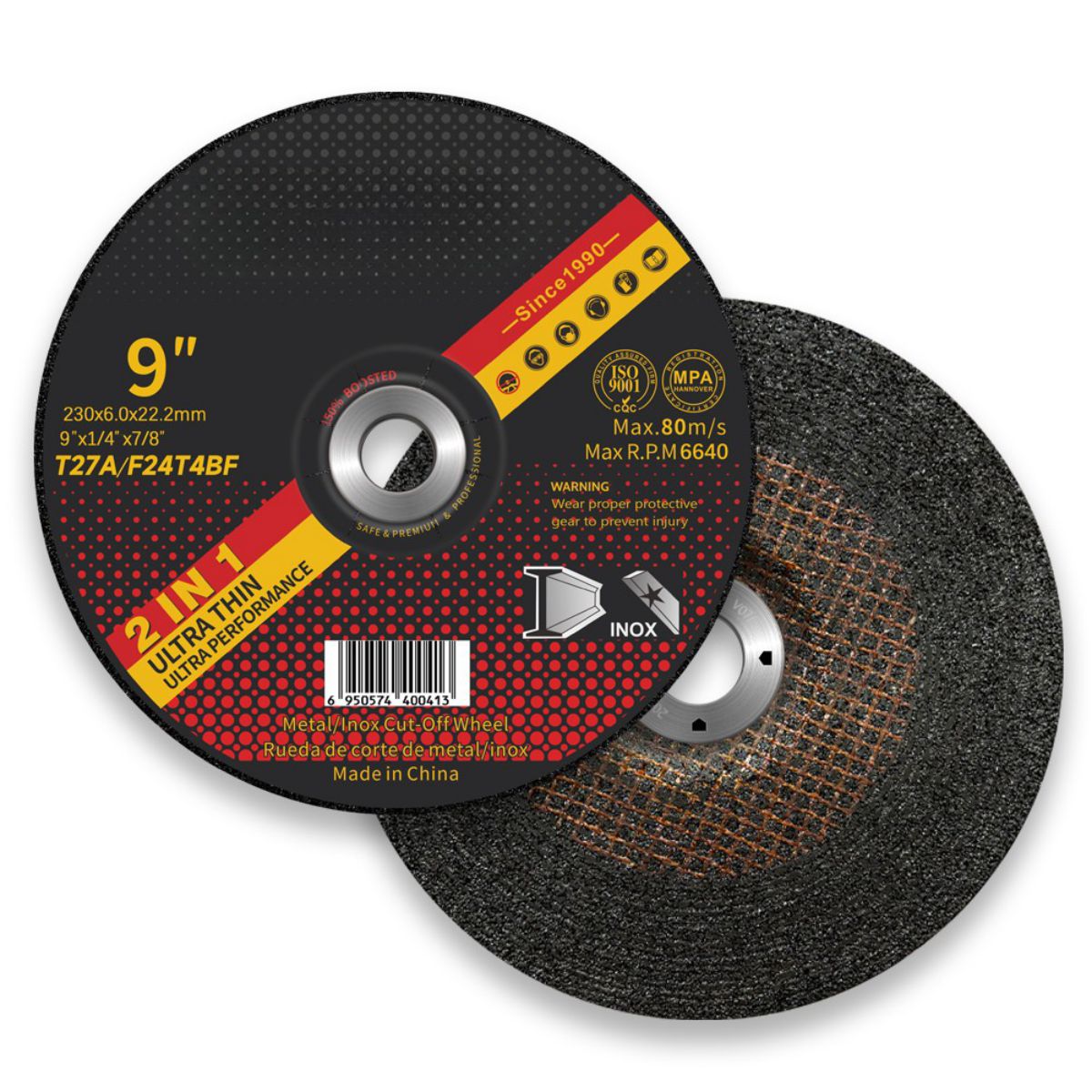
Đá mài phẳng được sử dụng khi cần tiếp xúc toàn bộ bề mặt. Chúng phổ biến hơn trên các máy mài cố định hoặc thiết bị chuyên dụng và được lựa chọn để loại bỏ vật liệu một cách đồng đều và có kiểm soát.
Đá mài có độ dày khoảng 6 mm thường được sử dụng như một giải pháp trung gian giữa cắt và mài. Chúng cho phép mài nhẹ đồng thời mang lại khả năng kiểm soát tốt hơn so với đá mài dày hơn.
Trên thực tế, những loại bánh xe này được lựa chọn khi:
Số lượng có hạn
Các nhà điều hành muốn độ chính xác cao hơn
Không cần phải loại bỏ quá nhiều vật liệu.
Tuy nhiên, việc sử dụng chúng vẫn đòi hỏi kỹ thuật chính xác để tránh gây áp lực quá mức lên các cạnh.
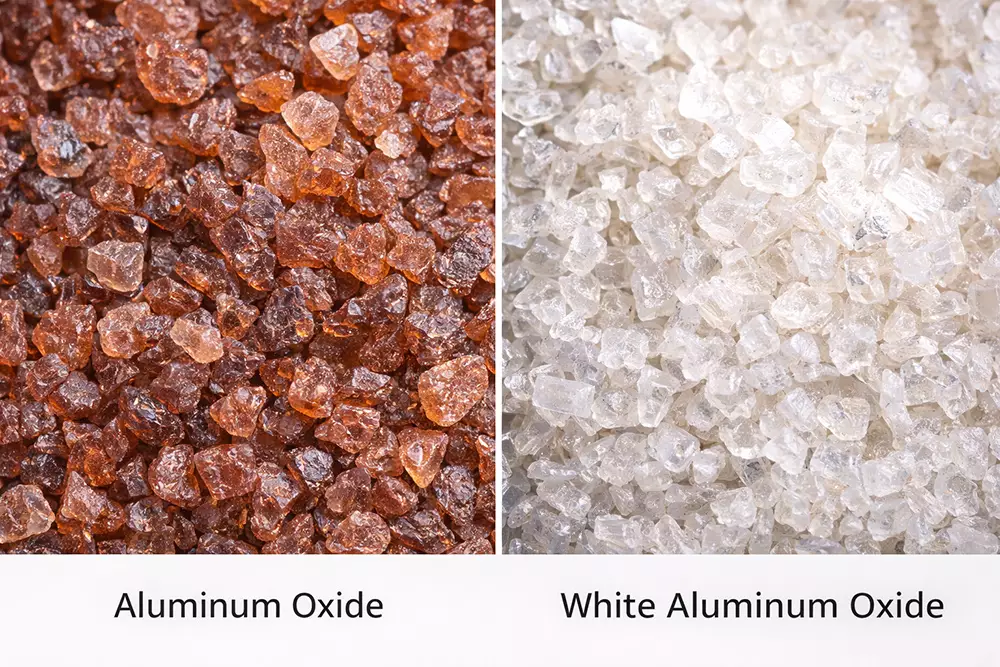
Nhôm oxit là chất mài mòn được sử dụng phổ biến nhất để mài thép cacbon. Nó mang lại hiệu suất ổn định, độ mài mòn có thể dự đoán được và hiệu quả chi phí tốt.
Nhôm oxit trắng có độ tinh khiết cao hơn và dễ bị phân hủy hơn trong quá trình mài. Đặc tính tự mài này giúp giảm sự tích tụ nhiệt và làm cho nó phù hợp với thép không gỉ và các ứng dụng nhạy cảm với nhiệt.
Trong thực tế sử dụng, đá mài oxit nhôm trắng thường cho quá trình mài mượt mà hơn nhưng có thể bị mòn nhanh hơn nếu dùng lực quá mạnh.
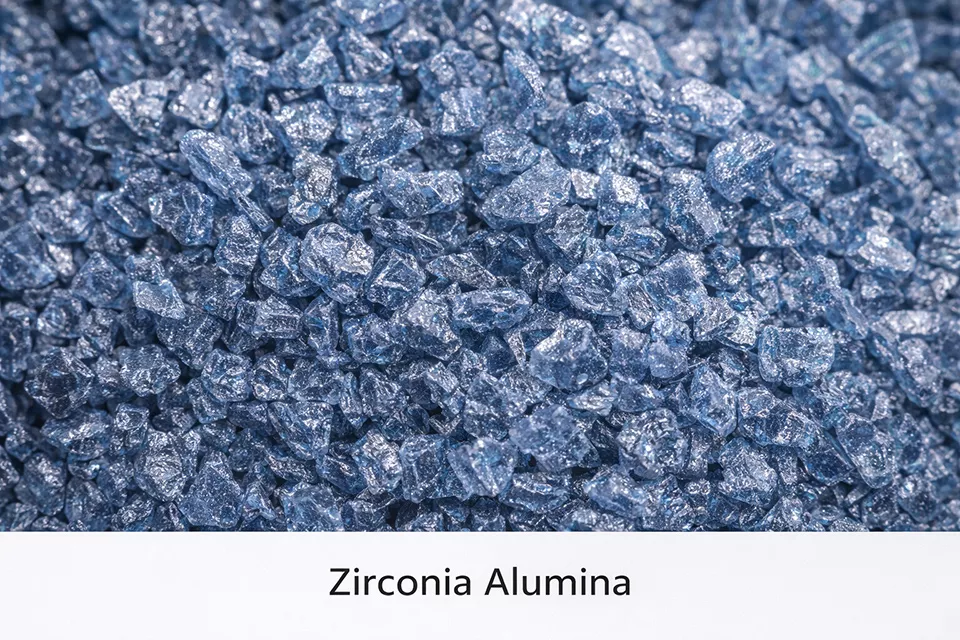
Vật liệu mài mòn zirconia cứng hơn và chịu va đập tốt hơn so với oxit nhôm tiêu chuẩn. Chúng thường được lựa chọn cho quá trình mài nặng, nơi áp lực được duy trì liên tục.
Tuy nhiên, zirconia hoạt động tốt nhất khi áp lực mài đủ lớn để kích hoạt cơ chế tự mài sắc của nó. Trong các ứng dụng mài nhẹ hoặc tốc độ cao, áp lực thấp, zirconia có thể không thể hiện hết ưu điểm của mình.
Đây là một sự hiểu lầm phổ biến trên thị trường, nơi zirconia đôi khi được quảng bá là vượt trội trong mọi trường hợp bất kể ứng dụng nào.
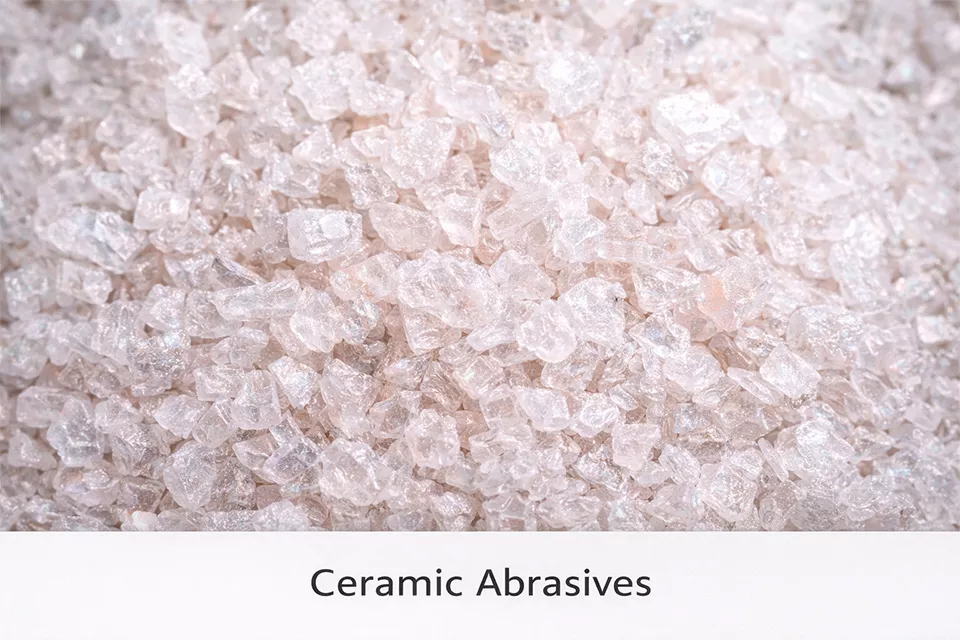
Vật liệu mài mòn gốm mang lại khả năng cắt mạnh mẽ và tuổi thọ cao trong các ứng dụng đòi hỏi khắt khe. Chúng được sử dụng trong các đá mài hiệu suất cao được thiết kế cho môi trường sản xuất công nghiệp.
Việc sử dụng chúng đòi hỏi công thức liên kết chính xác và quy trình sản xuất được kiểm soát chặt chẽ. Nếu không có sự cân bằng liên kết thích hợp, chất mài mòn gốm có thể tạo cảm giác quá mạnh hoặc không ổn định khi sử dụng cầm tay.
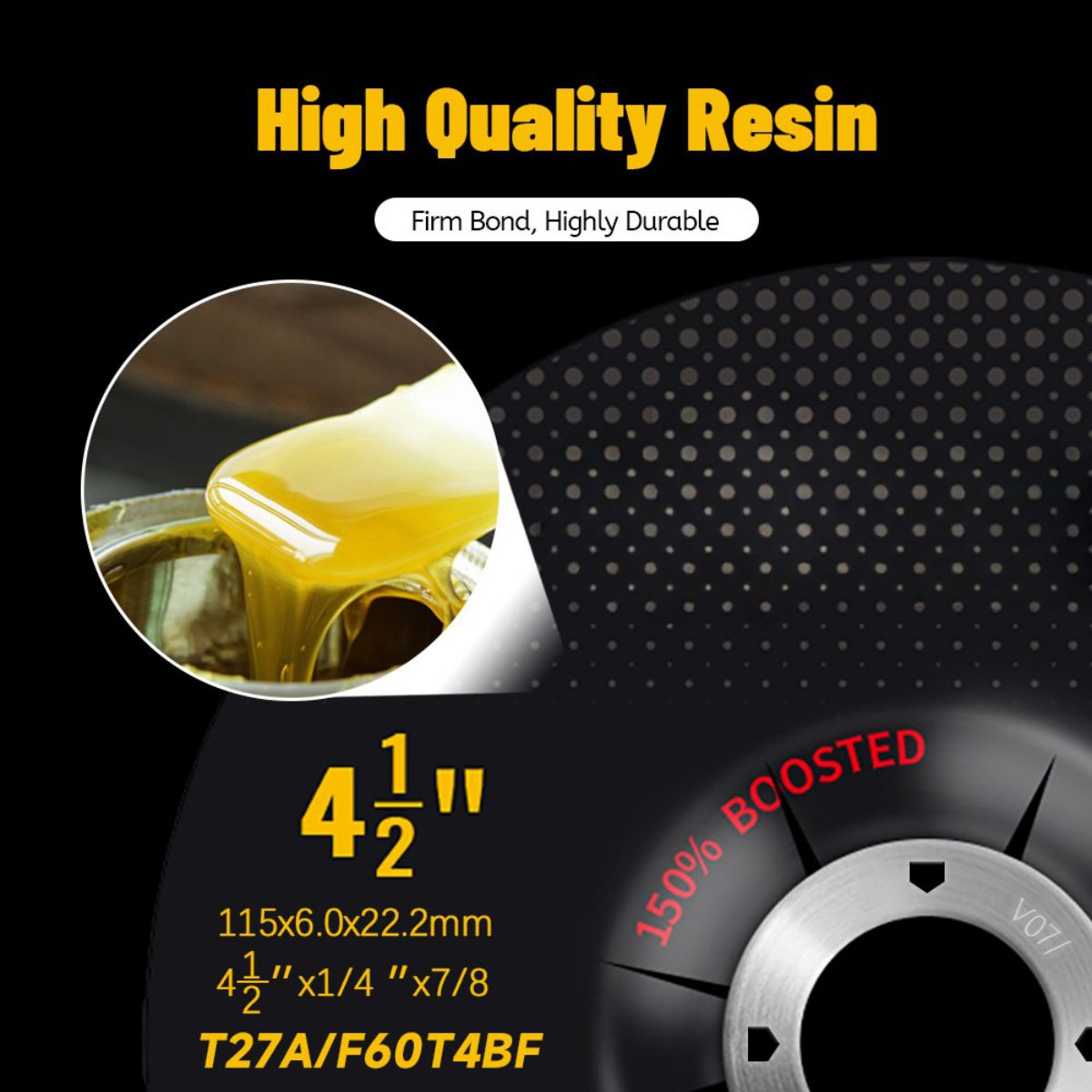
Đá mài dựa trên hệ thống liên kết nhựa cân bằng giữa độ cứng và độ đàn hồi. Liên kết phải đủ mạnh để giữ các hạt mài dưới áp lực, nhưng cũng đủ linh hoạt để giải phóng các hạt mài cùn và lộ ra các cạnh cắt mới.
Độ cứng của đá mài không phải là một chỉ số đơn giản về độ bền. Đá mài cứng hơn không phải lúc nào cũng bền hơn. Trong nhiều ứng dụng mài, chất kết dính mềm hơn một chút cho phép tự mài sắc tốt hơn và sinh nhiệt ít hơn.
Trong sản xuất, công thức pha chế chất kết dính được điều chỉnh dựa trên:
Loại mài mòn
Độ dày bánh xe
Ứng dụng dự định
Kỳ vọng của thị trường mục tiêu
Sự cân bằng này có tác động đáng kể đến cảm giác khi mài và tuổi thọ của sản phẩm.
Đá mài được gia cường bằng lưới sợi thủy tinh để chịu được áp lực bên và lực quay. Cấu trúc thường được sử dụng là gia cường bằng nhiều lớp sợi thủy tinh, thường được sắp xếp theo hình dạng nhất định. Cấu hình bánh sandwich 2+1.
Việc củng cố này giúp cải thiện:
Khả năng chống chịu tải trọng ngang
Độ ổn định cấu trúc trong quá trình mài
An toàn khi tốc độ quay cao
Việc gia cố không đầy đủ là một trong những nguyên nhân phổ biến nhất gây hỏng đá mài, đặc biệt khi đá mài được sử dụng quá mạnh hoặc ở góc độ không phù hợp.
Đá mài có thể được sản xuất bằng phương pháp ép nguội, ép bán nóng hoặc ép nóng. Mỗi phương pháp đều ảnh hưởng đến mật độ bên trong và sự phân bố chất kết dính.
Ép nguội là phương pháp hiệu quả và được sử dụng rộng rãi, nhưng đối với đá mài dày hơn, mật độ không đồng đều có thể dẫn đến hiệu suất mài không ổn định. Ép bán nóng hoặc ép nóng thường được áp dụng để cải thiện độ đồng đều về mật độ và độ bền cạnh.
Trên thực tế, việc lựa chọn phương pháp ép phụ thuộc vào độ dày của đá mài và tải trọng mài dự kiến, chứ không chỉ dựa vào tốc độ sản xuất.
Sau khi ép, đá mài trải qua quá trình đóng rắn có kiểm soát để ổn định liên kết nhựa. Quá trình đóng rắn đúng cách đảm bảo:
Độ cứng đồng nhất
Hành vi mài ổn định
Khả năng chống suy thoái nhiệt
Quá trình đóng rắn chưa đủ sẽ dẫn đến bánh xe mềm và nhanh mòn, trong khi đóng rắn quá mức có thể làm cho bánh xe giòn và dễ nứt. Sự cân bằng này đạt được thông qua các phạm vi quy trình đã được kiểm chứng dựa trên hệ thống nhựa và hình dạng hình học của bánh xe.
Các nhà sản xuất chuyên nghiệp thực hiện nhiều bước kiểm tra chất lượng, bao gồm:
Kiểm tra kích thước
Kiểm tra bằng mắt thường
Kiểm tra tốc độ và khả năng tăng tốc
Kiểm tra cân bằng cho bánh xe lớn hơn
Các biện pháp kiểm soát này rất cần thiết cho sự an toàn và tính ổn định về hiệu suất, đặc biệt là đối với các thị trường xuất khẩu với điều kiện hoạt động khác nhau.
Trong thực tế sử dụng, đá mài hoạt động rất khác so với đá cắt. Trong quá trình mài, đá mài chịu tải trọng ngang liên tục và tiếp xúc liên tục với phôi. Điều này có nghĩa là mật độ bên trong và sự phân bố chất kết dính có tác động lớn hơn nhiều đến độ ổn định so với khi sử dụng trong quá trình cắt gọt.
Trong quá trình sản xuất, chúng tôi sớm nhận ra rằng việc chỉ sử dụng phương pháp ép nguội cho một số thông số kỹ thuật đá mài nhất định thường dẫn đến các vấn đề chỉ xuất hiện trong quá trình mài thực tế. Đá mài có thể trông bình thường sau khi đóng rắn, nhưng khi chịu tải, chúng có thể bắt đầu rung, bóng không đều hoặc mòn nhanh hơn ở cạnh. Những vấn đề này thường liên quan đến sự không đồng nhất về mật độ, rất khó phát hiện bằng mắt thường.
Vì lý do này, chúng tôi không áp dụng một phương pháp ép duy nhất cho tất cả các loại đá mài. Đối với các đường kính và độ dày cụ thể mà độ ổn định quan trọng hơn, chúng tôi sử dụng phương pháp ép bán nóng hoặc ép nóng để cải thiện độ đồng nhất về mật độ. Lựa chọn này được đưa ra nhằm cải thiện khả năng kiểm soát quá trình mài và giảm nguy cơ hoạt động không ổn định trong thời gian dài.
Trong sản xuất đá mài, độ cứng cao hơn hoặc tốc độ sản xuất nhanh hơn không tự động dẫn đến hiệu suất tốt hơn. Trên thực tế, việc đẩy một trong hai thông số này đến mức quá cao thường tạo ra những vấn đề mới trong quá trình sử dụng thực tế.
Các loại đá mài rất cứng có thể bền hơn trong các thử nghiệm có kiểm soát, nhưng trong quá trình vận hành hàng ngày, chúng có xu hướng sinh ra nhiều nhiệt hơn, làm giảm hiệu quả cắt và tăng sức lao động của người sử dụng. Theo thời gian, điều này dẫn đến năng suất thấp hơn và kết quả bề mặt không nhất quán. Những ảnh hưởng này đặc biệt dễ nhận thấy trong quá trình mài liên tục hoặc trong môi trường làm việc nhiệt độ cao.
Dựa trên phản hồi từ các ứng dụng và thị trường xuất khẩu khác nhau, chúng tôi điều chỉnh độ bền liên kết và phương pháp ép để duy trì sự cân bằng giữa tốc độ mài mòn, cảm giác cắt và độ ổn định vận hành. Các quyết định của chúng tôi không chỉ dựa trên dữ liệu thí nghiệm mà còn dựa trên hiệu suất của bánh mài dưới áp lực, nhiệt độ và thói quen làm việc thực tế tại công trường.
Đá mài được sử dụng trong:
Chế tạo kết cấu thép
Chuẩn bị và hoàn thiện mối hàn
Công trình xây dựng và cơ sở hạ tầng
Bảo trì thiết bị
Hoạt động sửa chữa công nghiệp
Tại các khu vực có nhiệt độ cao như Đông Nam Á, Nam Mỹ và Trung Đông, chu kỳ mài kéo dài có thể làm tăng ứng suất nhiệt trên đá mài. Trong điều kiện này, độ bền liên kết và chất lượng gia cường thường quan trọng hơn cấp độ mài mòn danh nghĩa.
Đá mài được thiết kế để loại bỏ vật liệu dưới áp lực bên được kiểm soát, nhưng chúng không phù hợp với mọi thao tác. Trên thực tế, nhiều vấn đề về hiệu suất và an toàn phát sinh khi sử dụng đá mài trong những trường hợp mà một dụng cụ khác sẽ hiệu quả hơn.
Một lỗi thường gặp là sử dụng đá mài để cắt thẳng. Mặc dù đá mài có vẻ chắc chắn, nhưng chúng không được thiết kế để chịu lực cắt trực diện. Điều này thường dẫn đến nhiệt độ quá cao, mài mòn cạnh nhanh và tăng nguy cơ hư hỏng đá mài. Đối với các đường cắt thẳng, đá cắt là lựa chọn đúng đắn và an toàn hơn.
Một vấn đề khác phát sinh khi sử dụng đá mài rất cứng trên các chi tiết mỏng hoặc dễ uốn. Trong những trường hợp này, đá mài có xu hướng sinh nhiệt nhanh hơn tốc độ loại bỏ vật liệu. Người vận hành có thể gặp phải hiện tượng bề mặt bị chai cứng, khả năng cắt kém và cần phải dùng nhiều lực hơn, điều này càng làm giảm khả năng kiểm soát và tính nhất quán.
Đá mài cũng không phù hợp lắm với máy mài góc công suất thấp khi chọn vật liệu mài mòn mạnh hoặc chất kết dính rất cứng. Trong những trường hợp như vậy, đá mài không thể tự mài sắc đúng cách. Thay vì cắt hiệu quả, nó cọ xát vào bề mặt, tạo ra rung động và mài mòn không đều. Điều này thường bị hiểu nhầm là vấn đề chất lượng, trong khi nguyên nhân thực sự là sự không phù hợp giữa thiết kế đá mài và điều kiện hoạt động.
Trong thực tế, việc chọn sai loại đá mài thường không gây ra lỗi ngay lập tức. Các vấn đề phát sinh dần dần dưới dạng tích tụ nhiệt, thao tác không ổn định và sự mệt mỏi của người vận hành. Vì lý do này, việc lựa chọn đúng dụng cụ và thông số kỹ thuật thường quan trọng hơn việc chọn loại đá mài cứng nhất hoặc bền nhất.
Quá trình tuyển chọn nên bắt đầu từ khâu nộp đơn:
Việc mài thép cacbon thường cho kết quả tốt với oxit nhôm.
Thép không gỉ sẽ có nhiều ưu điểm nhờ oxit nhôm trắng hoặc các công thức zirconia được tối ưu hóa.
Độ dày và đường kính của đá mài phải phù hợp với dụng cụ và áp lực mài dự kiến. Đá mài mỏng hơn cho phép kiểm soát tốt hơn, trong khi đá mài dày hơn mang lại độ ổn định cao hơn khi mài các vật liệu nặng.
Để đảm bảo an toàn khi sử dụng, cần luôn kiểm tra tốc độ vận hành và khả năng tương thích của máy móc.
| Ứng dụng | Loại vật liệu | Đá mài được đề xuất | Lợi ích |
|---|---|---|---|
| Mài đường hàn | Thép cacbon và thép hợp kim thấp | Bánh xe oxit nhôm loại 27 | Tiếp xúc ổn định, tháo gỡ nhanh chóng |
| Chuẩn bị bề mặt | Thép không gỉ | Bánh xe oxit nhôm trắng | Giảm sự tích tụ nhiệt |
| Mài nặng | Gang đúc, hợp kim cao cấp | bánh xe zirconia alumina | Loại bỏ hàng tồn kho cao |
Các nhà sản xuất đá mài chuyên nghiệp cung cấp các tùy chọn tùy chỉnh OEM như:
Điều chỉnh công thức chất mài mòn
Điều chỉnh độ cứng bánh xe
Tùy chỉnh độ dày và đường kính
Các lựa chọn kích thước giàn hoa
Thiết kế nhãn và bao bì
Đồng thời, các nhà sản xuất có trách nhiệm duy trì các giới hạn kỹ thuật rõ ràng. Một số tổ hợp thông số nhất định có thể bị loại bỏ nếu chúng ảnh hưởng đến sự an toàn hoặc hiệu suất.
Sự cân bằng giữa tính linh hoạt và trách nhiệm là một chỉ số quan trọng về chất lượng sản xuất.
Đá mài được sản xuất tuân thủ các tiêu chuẩn an toàn được công nhận, chẳng hạn như tiêu chuẩn EN12413 dành cho vật liệu mài liên kết. Việc tuân thủ này đảm bảo hiệu suất an toàn tối thiểu trong điều kiện vận hành định mức.
Việc tuân thủ các tiêu chuẩn nên được coi là yêu cầu cơ bản chứ không phải là yếu tố tạo sự khác biệt.
Đá mài là những công cụ được thiết kế để cân bằng giữa khả năng cắt, độ bền, an toàn và khả năng điều khiển của người vận hành. Hiệu suất của chúng trong thực tế sử dụng được quyết định bởi các quyết định sản xuất được đưa ra từ rất lâu trước khi đá mài đến tay người dùng.
Đối với người mua và nhà phân phối, việc hiểu rõ những nguyên tắc cơ bản này cho phép lựa chọn sản phẩm và đánh giá nhà cung cấp một cách sáng suốt hơn. Một nhà cung cấp đá mài đáng tin cậy không chỉ được định nghĩa bởi những lời quảng cáo về sản phẩm, mà còn bởi chất lượng sản xuất ổn định và kiến thức ứng dụng thực tiễn.
Đối với thép
Dành cho đá và gang
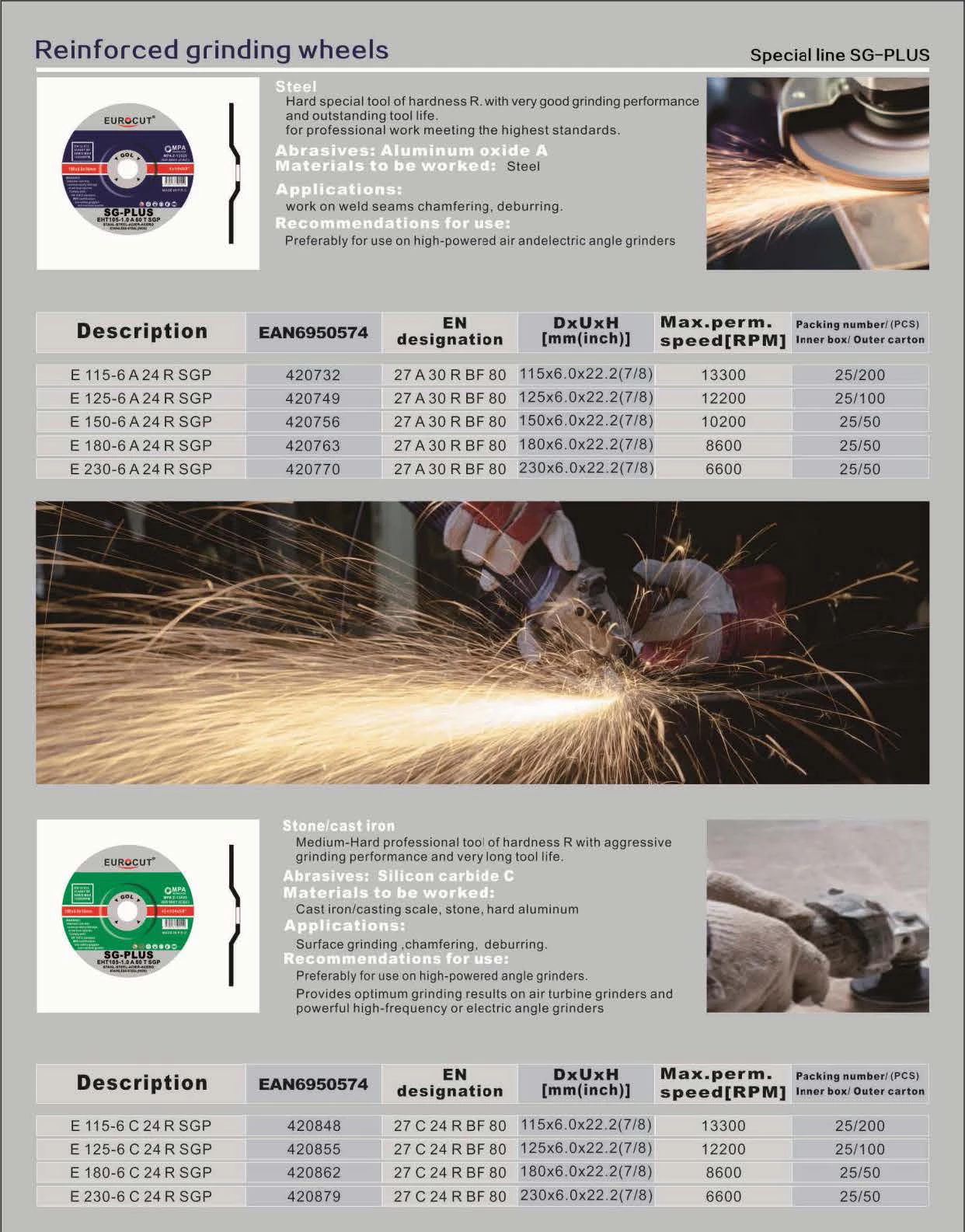
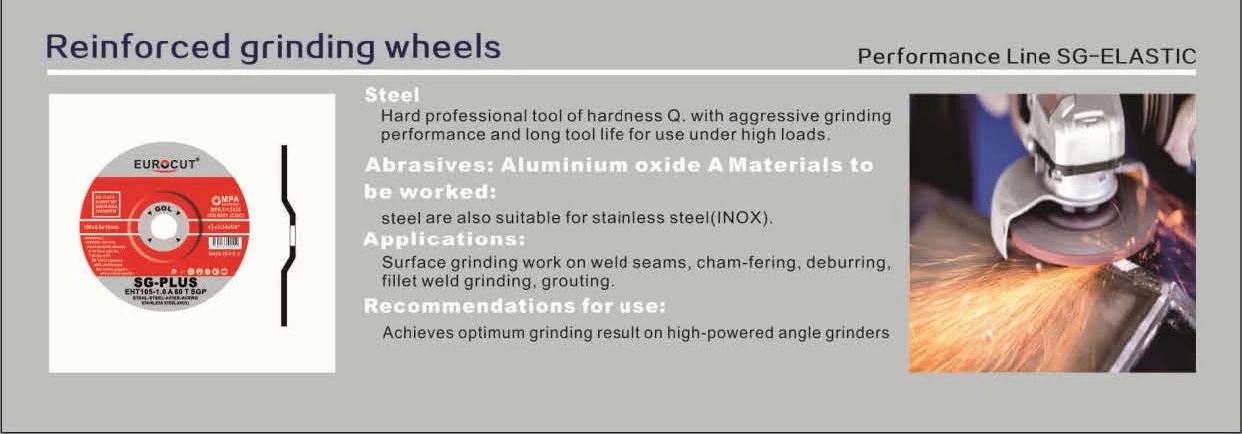
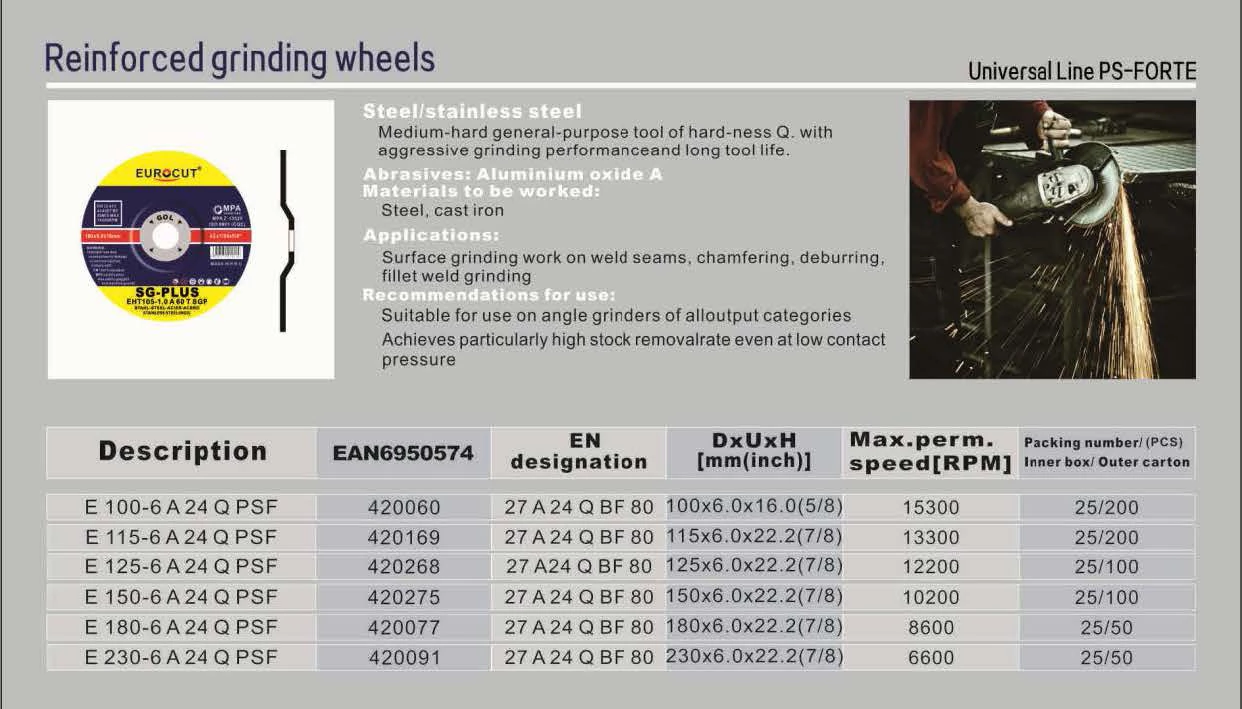
Cải tiến các sản phẩm đã được chứng minh và đáng tin cậy, tối đa hóa hiệu quả sử dụng công cụ của bạn.
Mài chính xác, đảm bảo bề mặt không bị trầy xước trên phôi gia công.
Tuổi thọ dụng cụ được kéo dài đáng kể, đã được thử nghiệm trong các ứng dụng thực tế.
Thanh Dương là thương hiệu riêng được chúng tôi phát triển kỹ lưỡng, chuyên cung cấp đa dạng các sản phẩm mài mòn hiệu suất cao, chất lượng cao và tiết kiệm chi phí. Đây không chỉ là một khẩu hiệu—chúng tôi giữ vững GIẤY CHỨNG NHẬN MPA, chứng nhận cấp cao nhất cho các sản phẩm nghiền trên toàn thế giới, phản ánh cam kết mạnh mẽ của chúng tôi về tính an toàn, hiệu suất và tính nhất quán.
Mỗi dụng cụ mài mòn của Qing Yang đều đáp ứng nghiêm ngặt Tiêu chuẩn ISO 9001 tiêu chuẩn. Mỗi lô sản xuất đều trải qua quá trình kiểm tra nghiêm ngặt về độ bền liên kết, khả năng giữ hạt và độ chính xác về kích thước, đảm bảo quy trình sản xuất có thể truy xuất nguồn gốc và kiểm soát chất lượng không thỏa hiệp.
Sản phẩm của chúng tôi được người mua và kỹ sư tin tưởng và ưa chuộng tại hơn 50 quốc gia và khu vực trên toàn thế giới. Khi hợp tác với chúng tôi, bạn sẽ được tiếp cận với các loại đá mài và đĩa mài chất lượng cao nhất được chứng nhận bởi các chứng chỉ cao nhất trong ngành.
Độ cứng, loại hạt mài và độ dày của đá mài đều ảnh hưởng đến hiệu suất khi chịu tải. Các hướng dẫn này giải thích cách lựa chọn thông số kỹ thuật phù hợp với điều kiện mài thực tế của bạn.
Loại hạt, độ cứng liên kết và độ dày đĩa — phù hợp với hình dạng mối hàn và vật liệu.
Thiết kế kết cấu, đặc tính chịu tải và thời điểm mỗi công cụ được sử dụng trong trình tự quy trình.
Lỗi ứng dụng so với lỗi sản xuất — phân tích nguyên nhân gốc rễ trong môi trường sản xuất.
| MM | inch | TỐC ĐỘ.PM | TỐC ĐỘ/S | PCS/CTN |
| 100X4.0X16 | 4×1/8×5/8″ | 15200 | 80 | 300 |
| 100X6.0X16 | 4×1/4×5/8″ | 15200 | 80 | 200 |
| 115X6.0X22.2 | 4 1/2×1/4X7/8″ | 13300 | 80 | 200 |
| 125X6.0X22.2 | 5×1/4×7/8″ | 12200 | 80 | 100 |
| 150X6.0X22.2 | 6×1/4×7/8″ | 10200 | 80 | 100 |
| 180X6.0X22.2 | 7×1/4×7/8″ | 8500 | 80 | 50 |
| 230X6.0X22.2 | 9×1/4×7/8″ | 6640 | 80 | 50 |
Nhà sản xuất đá mài nổi tiếng Thanh Dương không chỉ sản xuất các sản phẩm mang thương hiệu riêng của mình mà còn cung cấp toàn diện Giải pháp tùy chỉnh OEM/ODM cho đá mài. Các sản phẩm tùy chỉnh của chúng tôi đáp ứng các yêu cầu khắt khe nhất trong ngành công nghiệp mài toàn cầu, với các chứng nhận đạt đến danh giá GIẤY CHỨNG NHẬN MPA mức độ.
Tùy chỉnh kích thước linh hoạt
Chúng tôi cung cấp các thông số kích thước rất linh hoạt:
Đường kính ngoài: Có nhiều loại, từ bánh xe nhỏ gọn 3 inch đến bánh xe lớn 9 inch chịu lực, tất cả đều có thể tùy chỉnh theo yêu cầu của bạn.
Đường kính bên trong: Có thể tùy chỉnh (ví dụ: kích thước tiêu chuẩn như 16mm, 22,2mm, 25,4mm hoặc kích thước đặc biệt phù hợp với thiết bị của bạn).
Độ dày: Được kiểm soát chính xác để đáp ứng nhiều nhu cầu về cường độ nghiền khác nhau trong các ứng dụng khác nhau.
Vật liệu và hiệu suất được tối ưu hóa
Đội ngũ kỹ sư của chúng tôi sẽ điều chỉnh thành phần mài mòn và tỷ lệ chất kết dính dựa trên ứng dụng cụ thể của bạn—cho dù đó là gia công kim loại, chế biến đá hay mài thông thường.
Sử dụng các công nghệ tiên tiến như xử lý chống tĩnh điện và lớp phủ chịu nhiệt, bánh mài tùy chỉnh của chúng tôi có thể sánh ngang với hiệu suất của các thương hiệu hàng đầu trong ngành như Norton Và Klingspor.
Xây dựng thương hiệu của riêng bạn
Bạn đang muốn xây dựng thương hiệu riêng? Chúng tôi cung cấp dịch vụ tùy chỉnh trọn gói, bao gồm:
In nhãn tùy chỉnh
Hệ thống nhận dạng độ nhám theo màu
Bảng dữ liệu sản phẩm độc quyền
Chúng tôi cung cấp nhiều loại đá mài, bao gồm:
Bánh mài góc tiêu chuẩn
Đá mài chịu lực nặng
Cho dù dựa trên mẫu hiện có hay bản vẽ kỹ thuật, chúng tôi đều có thể thiết kế riêng đá mài cho bạn. Chúng tôi cũng hỗ trợ sản xuất hàng loạt, tối ưu hóa hiệu suất và sản xuất mẫu theo lô nhỏ để kiểm tra tính khả thi.
Đảm bảo chất lượng
Tất cả các bánh mài tùy chỉnh đều được sản xuất theo hệ thống kiểm soát chất lượng được thực hiện nghiêm ngặt và cuối cùng được chứng nhận bởi Khu bảo tồn biển, đảm bảo tuân thủ đầy đủ các tiêu chuẩn an toàn và hiệu suất quốc tế.
 Bắt đầu tùy chỉnh của bạn
A: Đá mài (còn gọi là đĩa đánh bóng) là dụng cụ mài hình đĩa được làm từ các hạt mài sắc nhọn được liên kết bằng chất kết dính nhựa. Qing Yang sử dụng nhiều công thức mài khác nhau tùy theo từng trường hợp vận hành, và tất cả các sản phẩm đều tương thích với giao diện máy mài góc tiêu chuẩn. Đá mài gia cố được nhúng nhiều lớp lưới sợi thủy tinh cường độ cao vào lớp nhựa, có thể tăng tuổi thọ lên 50% và đảm bảo độ ổn định kết cấu trong điều kiện làm việc khắc nghiệt.
A: Các chức năng cốt lõi bao gồm năm lĩnh vực chính:
Ứng dụng sáng tạo: Đĩa mài lai 1/8 inch (khoảng 3,2mm) của chúng tôi có thể thực hiện cắt và mài thô cùng lúc, giúp giảm thời gian thay thế dụng cụ xuống 70% trong các hoạt động gia công thanh thép/ống kim loại.
| Người mẫu | Đặc điểm cấu trúc | Các tình huống áp dụng |
|---|---|---|
| T27 | Mặt phẳng lõm ở giữa | Mài phẳng thông thường |
| T29 | Thiết kế lồi bề mặt cong | Hoạt động nghiêng ≥45° |
| T1 | Cấu trúc hai mặt hoàn toàn phẳng | Dành riêng cho máy cắt đĩa/máy mài bàn |
A: Các giải pháp được đề xuất dựa trên đặc tính của kim loại:
Đột phá kỹ thuật: Đá mài kim loại mềm Qing Yang áp dụng quy trình mài ở nhiệt độ thấp, có thể giảm mức tăng nhiệt độ của phôi 65% thông qua điều khiển cảm biến áp suất.
A: Hoàn toàn bị cấm! Những khác biệt cơ bản như sau:
| Loại công cụ | Phạm vi độ dày | Vị trí chức năng | Cảnh báo rủi ro |
|---|---|---|---|
| Đá mài | 1/4 inch (6,4mm) | Mài bề mặt | Hoạt động cắt có thể gây nổ |
| Đĩa cắt | ≤3/32 inch (2,4mm) | Tách vật liệu | Có thể bị phân hủy thành từng lớp trong quá trình nghiền |
Để hiểu rõ hơn về sự khác biệt về cấu trúc và lý do tại sao việc thay thế lại không an toàn:
A: Có 10 nguyên tắc chính cần tuân thủ:
Xem thêm: các kiểu lỗi do các lỗi vận hành thường gặp gây ra:
MỘT:
MỘT: Chúng tôi là nhà sản xuất dụng cụ mài mòn chuyên nghiệp với hơn 35 năm kinh nghiệm.
MỘT: Có, chúng tôi có dịch vụ thiết kế nhãn hiệu OEM. Chúng tôi cũng có thể cung cấp dịch vụ thiết kế nhãn miễn phí.
MỘT: Có, chúng tôi cung cấp mẫu miễn phí để kiểm tra chất lượng. Tuy nhiên, chi phí vận chuyển do khách hàng chi trả.
MỘT: Có, chúng tôi được chứng nhận theo tiêu chuẩn MPA và ISO.
MỘT: Thông thường, việc giao hàng mất khoảng 20 ngày sau khi nhận được thanh toán.
Các hướng dẫn lựa chọn, phân tích lỗi và giới hạn an toàn — tất cả đều đặc thù cho việc ứng dụng đá mài trong gia công kim loại.
Loại hạt mài, độ cứng liên kết và độ dày đĩa mài dùng cho việc mài mối hàn nặng.
→ So sánhVì sao các công cụ này hoạt động theo trình tự, chứ không phải thay thế cho nhau.
→ Phân tích lỗiCác lỗi ứng dụng là nguyên nhân gây ra hầu hết các sự cố sớm.
→Nguyên nhân gây hỏng hóc là do sử dụng đá cắt để mài và các lỗi khác liên quan đến hướng tải.
→ Ranh giớiNguyên nhân cấu trúc khiến đĩa mài bị giảm hiệu quả dưới tải trọng mài nặng.
→ So sánhHướng tải trọng, thiết kế kết cấu và lý do tại sao chúng không thể thay thế cho nhau.
→ English English
  العربية
 Español
 Tiếng Việt
 ไทย
ไทย
 Polski
 Русский